Gray wolf field guide
Field Guide
| Common name | Gray wolf |
|---|---|
| Scientific name | Canis lupus |
| Family | Canidae (Dog family) |
| Size | Males 5 to 6.5 ft long nose to tail tip, females 4.5 to 6 ft; 26 to 32 in at the shoulderU.S. Fish & Wildlife Service (hosted by Montana Fish, Wildlife & Parks) |
| Weight | Males 70 to 115 lb, females 60 to 100 lb; Alaska males occasionally 145 lbU.S. Fish & Wildlife Service (hosted by Montana Fish, Wildlife & Parks) |
| Lifespan | Up to 13 years in the wild, 15 in captivity; Yellowstone average 4-5 yearsU.S. Fish & Wildlife Service (hosted by Montana Fish, Wildlife & Parks) · National Park Service, Yellowstone National Park |
| Diet | Mainly medium and large hoofed mammals. Midwest: mainly white-tailed deer, also moose, beaver and snowshoe hare; Rocky Mountains: elk, deer, moose, bison and beaverU.S. Fish & Wildlife Service (hosted by Montana Fish, Wildlife & Parks) · U.S. Fish & Wildlife Service |
| Active when | Mainly nocturnal; movements are usually at night and cover long distancesNatureServe Explorer · Animal Diversity Web, University of Michigan |
| Range | Lower 48: Minnesota, Wisconsin, Michigan, Montana, Idaho, Wyoming and northern Washington's Cascades; tens of thousands in Canada and AlaskaU.S. Fish & Wildlife Service (hosted by Montana Fish, Wildlife & Parks) · NatureServe Explorer |
| Conservation status | NatureServe global rank G5. US Endangered Species Act: threatened in Minnesota, endangered in most other lower-48 states; Northern Rocky Mountain population delistedNatureServe Explorer |
Field Marks
- Ears are rounded and relatively short; a coyote's ears are pointed and relatively long.U.S. Fish & Wildlife Service (hosted by Montana Fish, Wildlife & Parks) · International Wolf Center
- Muzzle is large and blocky; a coyote's muzzle is pointed and petite.U.S. Fish & Wildlife Service (hosted by Montana Fish, Wildlife & Parks)
- Tail is black tipped, over 18 inches long, and held straight out or down; wolf and coyote tails are never seen curled.U.S. Fish & Wildlife Service (hosted by Montana Fish, Wildlife & Parks)
- Track is about 4.5 inches long and 3.5 inches wide; a coyote track is about 2.5 by 1.5 inches.U.S. Fish & Wildlife Service (hosted by Montana Fish, Wildlife & Parks) · International Wolf Center
- Coat is often buff-tan grizzled with gray and black; in Yellowstone gray and black occur about 50:50, rarely white.U.S. Fish & Wildlife Service (hosted by Montana Fish, Wildlife & Parks) · National Park Service, Yellowstone National Park
- Roughly twice a coyote's size: coyotes stand 16 to 20 inches at the shoulder and weigh 20 to 50 pounds.U.S. Fish & Wildlife Service (hosted by Montana Fish, Wildlife & Parks)
Habitat
- Lives in temperate forests, mountains, tundra, taiga, grasslands and deserts.U.S. Fish & Wildlife Service
- In the lower 48 today, mostly the forested lands of Minnesota, Wisconsin, Michigan, Montana, Idaho and Wyoming.U.S. Fish & Wildlife Service (hosted by Montana Fish, Wildlife & Parks)
- In Minnesota and Wisconsin, usually in areas with few roads, but apparently can occupy semi-wild lands if hoofed prey is abundant and the wolves are not killed by humans.NatureServe Explorer
- Minnesota and Wisconsin wolf range has expanded into a mix of forest and agriculture.U.S. Fish & Wildlife Service (hosted by Montana Fish, Wildlife & Parks)
- Pups are born in a den dug as much as 10 feet into well-drained soil, or a hollow log, cave or abandoned beaver lodge.U.S. Fish & Wildlife Service (hosted by Montana Fish, Wildlife & Parks)
- It appears that wolves can survive anywhere there is enough food and enough human tolerance.U.S. Fish & Wildlife Service (hosted by Montana Fish, Wildlife & Parks)
Behavior
- Packs are family groups: a breeding male and female, their pups, perhaps last year's young, and sometimes older wolves.U.S. Fish & Wildlife Service (hosted by Montana Fish, Wildlife & Parks)
- Average pack size in Yellowstone is 9.8; the largest recorded was Druid Peak, 37 wolves, in 2001.National Park Service, Yellowstone National Park
- Midwest packs average four to eight wolves in winter, with records of up to 16.U.S. Fish & Wildlife Service (hosted by Montana Fish, Wildlife & Parks)
- Yellowstone packs average a 428 km2 home range parkwide; one Minnesota study (Fritts and Mech 1981) found territories of 195 to 555 square kilometers.National Park Service, Yellowstone National Park · NatureServe Explorer
- Packs defend territories by howling and scent-marking with urine.National Park Service, Yellowstone National Park
- Wolves scent-mark territory with urine and scats; dominant wolves may urinate to mark every two minutes, raising a leg.International Wolf Center
- Howling is the wolves' long-distance call, heard about 11 km (6.6 mi) in forest and 16 km (9.6 mi) in open country.International Wolf Center · National Park Service, Yellowstone National Park
- A defensive howl keeps the pack together and strangers away and protects pups and kill sites; a social howl helps wolves locate one another, rally, and possibly just have fun.International Wolf Center
- A wolf that wants to play dances and bows playfully.International Wolf Center
- Pups stalk and pounce on each other and play with bones, feathers or animal skins, 'killing' them and carrying them as trophies.International Wolf Center
- Wolves are shy but very curious by nature; rarely one may slowly approach a person, especially a curious pup or yearling.International Wolf Center
- Wolves trot at about 5 mph, can reach 40 mph, and may travel as far as 30 miles a day hunting.U.S. Fish & Wildlife Service (hosted by Montana Fish, Wildlife & Parks)
- In Yellowstone, elk make up over 96% of winter prey; each wolf kills about 18-22 elk a year.National Park Service, Yellowstone National Park
- In northern Minnesota summers, wolves mostly hunt small prey such as beavers and deer fawns.Voyageurs Wolf Project, University of Minnesota
- Yellowstone wolves court in mid-February; after about 63 days, pups are born in mid-April.National Park Service, Yellowstone National Park
- Pups are weaned at about six weeks, then adults begin bringing them meat: they eat at a kill, often miles away, return, and regurgitate it when pups jump and nip at their muzzles.U.S. Fish & Wildlife Service (hosted by Montana Fish, Wildlife & Parks)
Winter
- A dense undercoat grows under the outer guard hairs in fall; wolves shed it by July and regrow it from mid-August.International Wolf Center · International Wolf Center · Animal Diversity Web, University of Michigan
- Big feet work like snowshoes, and hair between the toes keeps snow from freezing there.International Wolf Center
- In northern Minnesota's Voyageurs area, by freeze-up pups are the size of small adults and can travel with their parents and other pack members.Voyageurs Wolf Project, University of Minnesota
- In northern Minnesota's Voyageurs area, frozen shorelines become wolf pathways, and wind-swept frozen beaver ponds often have less snow than the forest, making easy travel.Voyageurs Wolf Project, University of Minnesota
- In fall and winter in Minnesota, wolves spend most of their time sleeping, resting or traveling, and little time feeding.NatureServe Explorer
Questions
How big is a gray wolf?
Adult males average 70 to 115 pounds and stand 26 to 32 inches at the shoulder. Yellowstone males average 110 pounds and females 90 pounds.U.S. Fish & Wildlife Service (hosted by Montana Fish, Wildlife & Parks) · National Park Service, Yellowstone National Park
Is a wolf dangerous to people?
Aggressive behavior by wild wolves toward people is extremely rare; in Alaska and Canada there were 16 cases of non-rabid wolves biting people since 1970. Risk rises when wolves are habituated, for example by being fed.U.S. Fish & Wildlife Service (hosted by Montana Fish, Wildlife & Parks) · Minnesota Department of Natural Resources
What should I do if I meet a wolf?
If a wolf comes close without fear or acts aggressively, do not run; raise and wave your arms to look larger and back away slowly without turning your back. Shout, make noise and throw objects at it.International Wolf Center
What does a wolf eat?
Mostly hoofed animals such as white-tailed deer, elk, moose and bison, plus beaver and snowshoe hare. A wolf can eat 20 pounds of meat in a single meal, and may not eat for a week or more.U.S. Fish & Wildlife Service (hosted by Montana Fish, Wildlife & Parks) · U.S. Fish & Wildlife Service
How can I tell a wolf from a coyote?
A wolf is about twice a coyote's size, with short rounded ears and a broad, blocky muzzle. Its track is about 4.5 inches long; a coyote's is about 2.5 inches.U.S. Fish & Wildlife Service (hosted by Montana Fish, Wildlife & Parks) · International Wolf Center
Why do wolves howl?
Howling has many uses, including communication within the pack, advertising territory and coordinating social activities. Wolves howl to locate and rally pack members and to keep strangers away from territory, pups and kills.National Park Service, Yellowstone National Park · International Wolf Center
Why does a wolf urinate on stumps and snowbanks?
It is scent-marking: urine and scats tell outside wolves an area is occupied. Dominant wolves raise a leg and may mark every two minutes.International Wolf Center
Where do wolves have their pups?
Usually in a den dug into well-drained soil, sometimes a hollow log, cave or old beaver lodge. By mid- to late summer, at six to eight weeks old, pups are usually moved to rendezvous sites, usually near water.U.S. Fish & Wildlife Service (hosted by Montana Fish, Wildlife & Parks)
Do wolves attack dogs?
In some situations, yes: wolves treat dogs straying into their territory as interlopers and may attack and kill them, especially near pups. Keep pets within sight, under voice control or on a leash in wolf country.U.S. Fish & Wildlife Service (hosted by Montana Fish, Wildlife & Parks) · International Wolf Center
How long do wolves live?
Wolves are known to live up to 13 years in the wild and 15 in captivity. In Yellowstone the average is 4-5 years, and the oldest wolf known there was 12.5.U.S. Fish & Wildlife Service (hosted by Montana Fish, Wildlife & Parks) · National Park Service, Yellowstone National Park
Clips
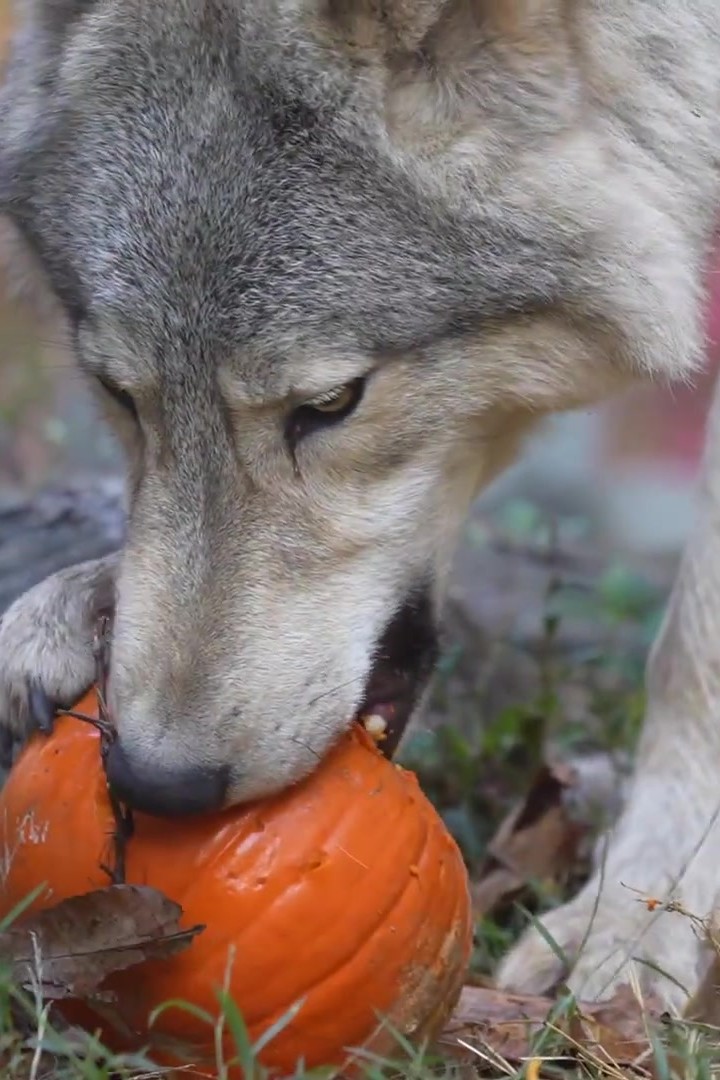 Silas the gray wolf dismantles a pumpkin
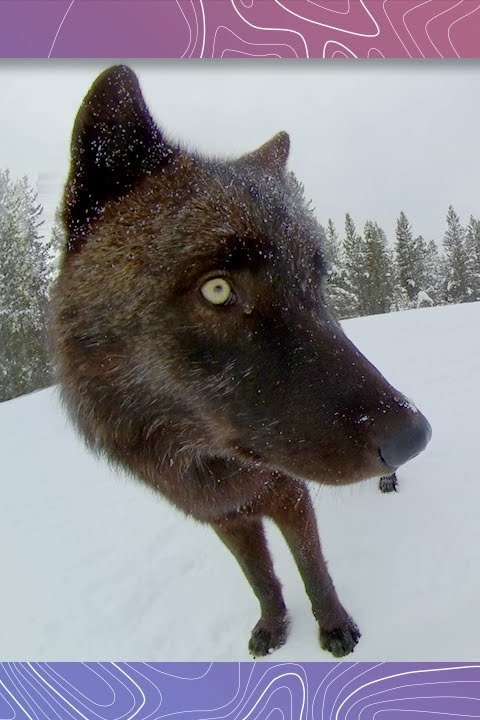 Gray wolf fills a 360 lens in Yellowstone snow
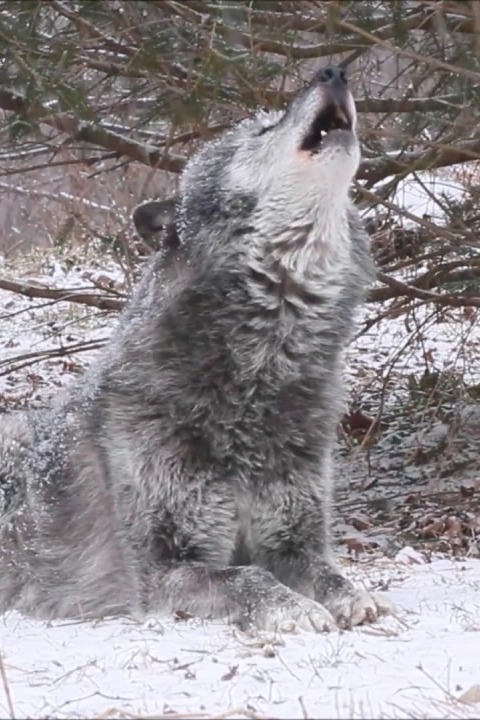 Snow falls on a dark gray wolf in full howl
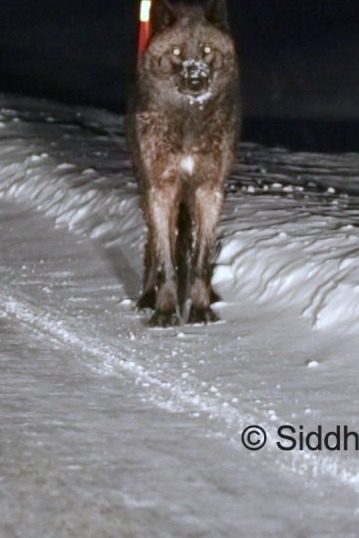 Gray wolf faces the light on a Yellowstone road
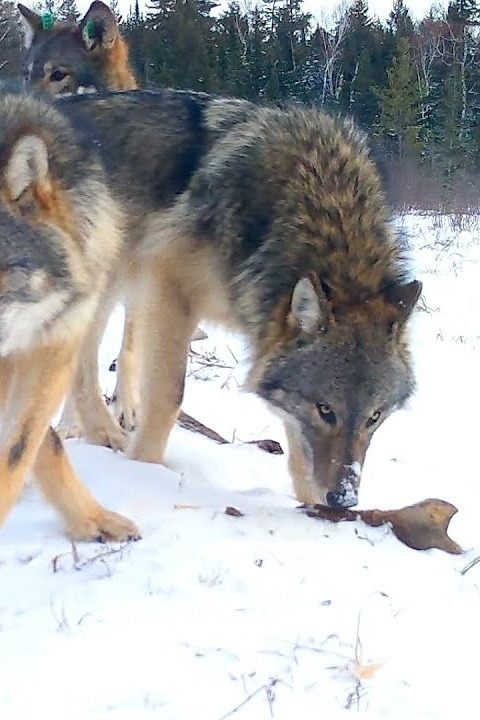 Gray wolf pack stops to sniff the snow
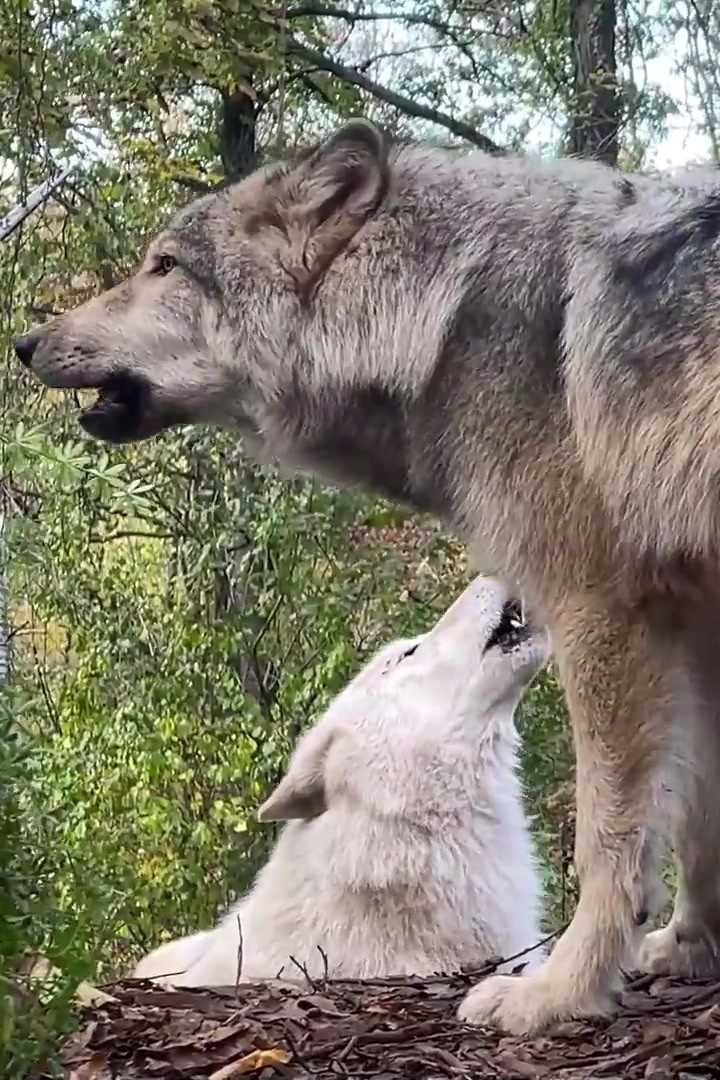 Two gray wolves howl together on an autumn day
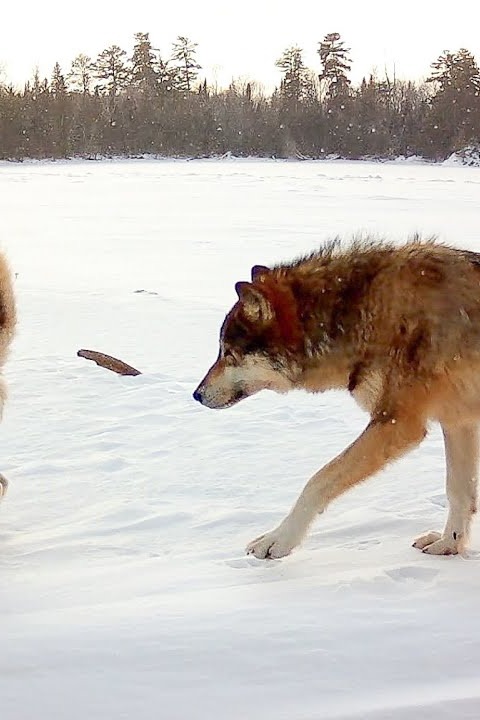 Canadian gray wolves deep in rival territory
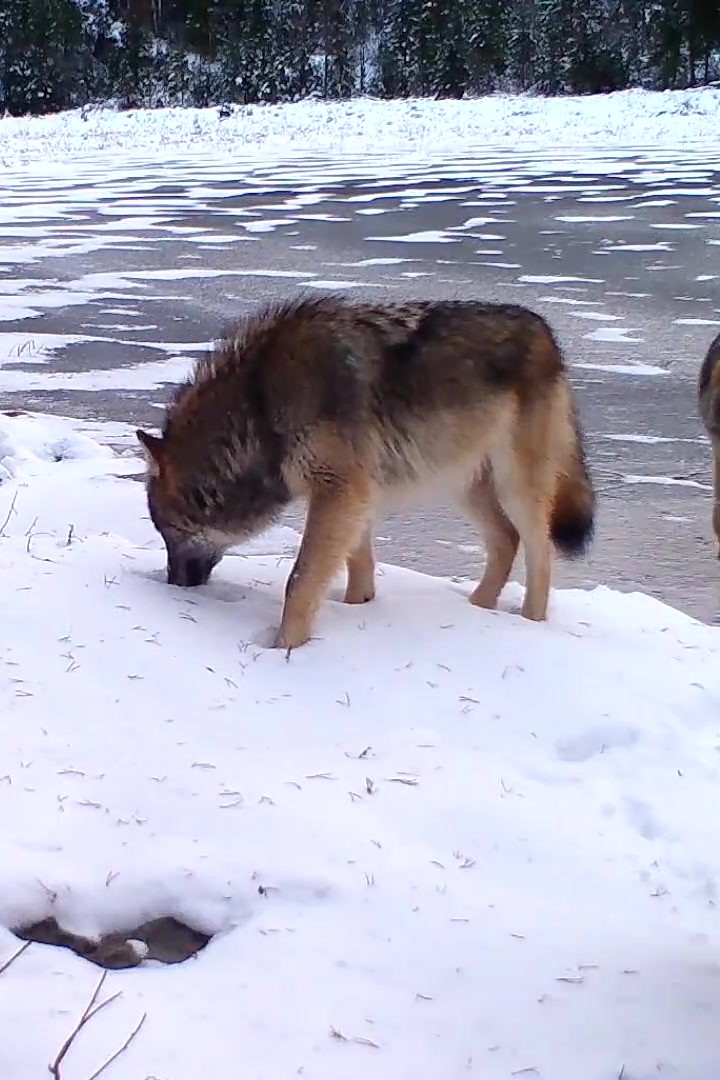 Cranberry Bay gray wolves on a freezing shore
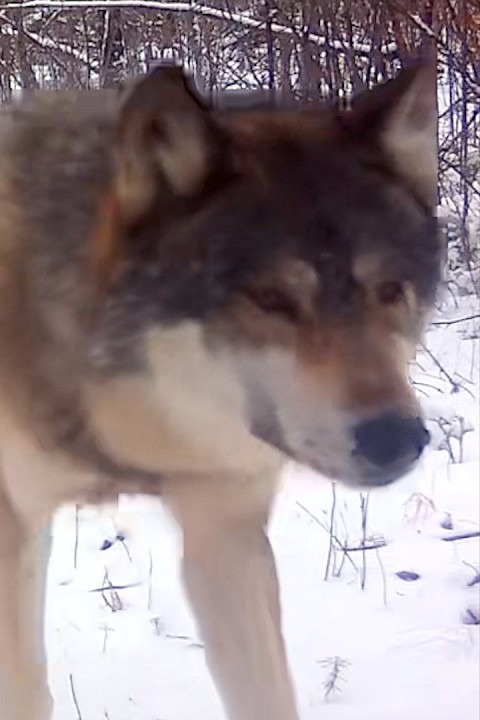 Gray wolf noses a trail camera in Minnesota snow
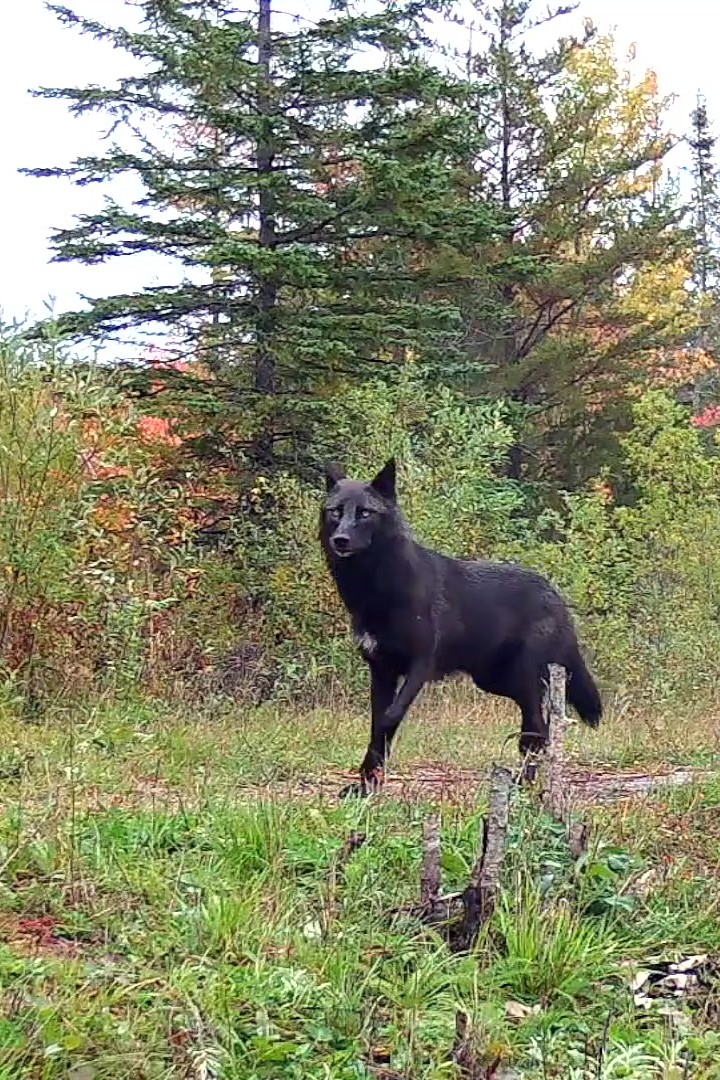 Black wolf pauses amid Minnesota fall colors
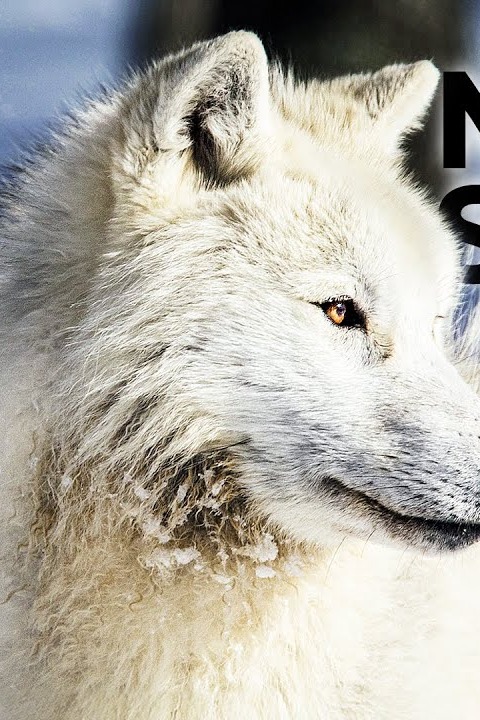 Nearly white gray wolf claims Hayden Valley
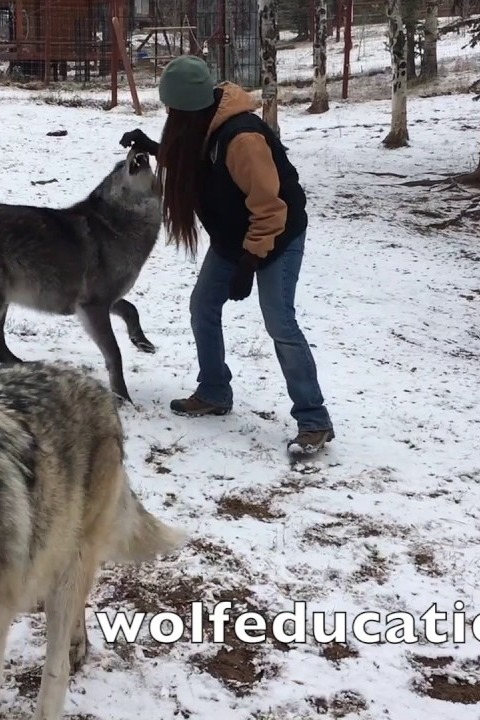 Gray wolf reaches up to its keeper in fresh snow
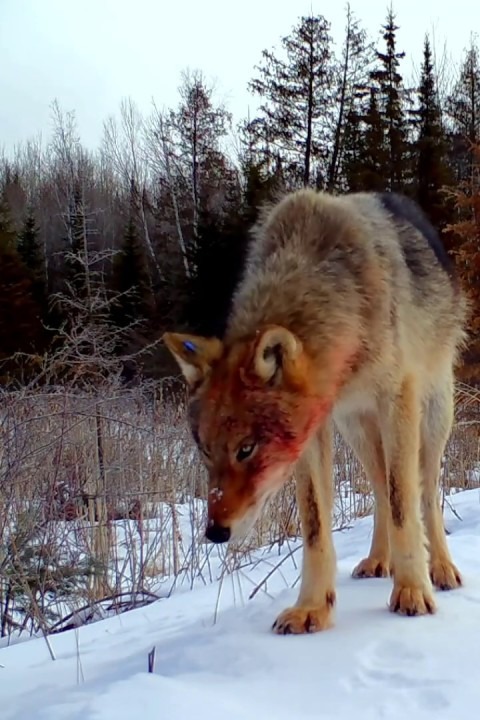 Blood-faced gray wolf sniffs snow after a kill
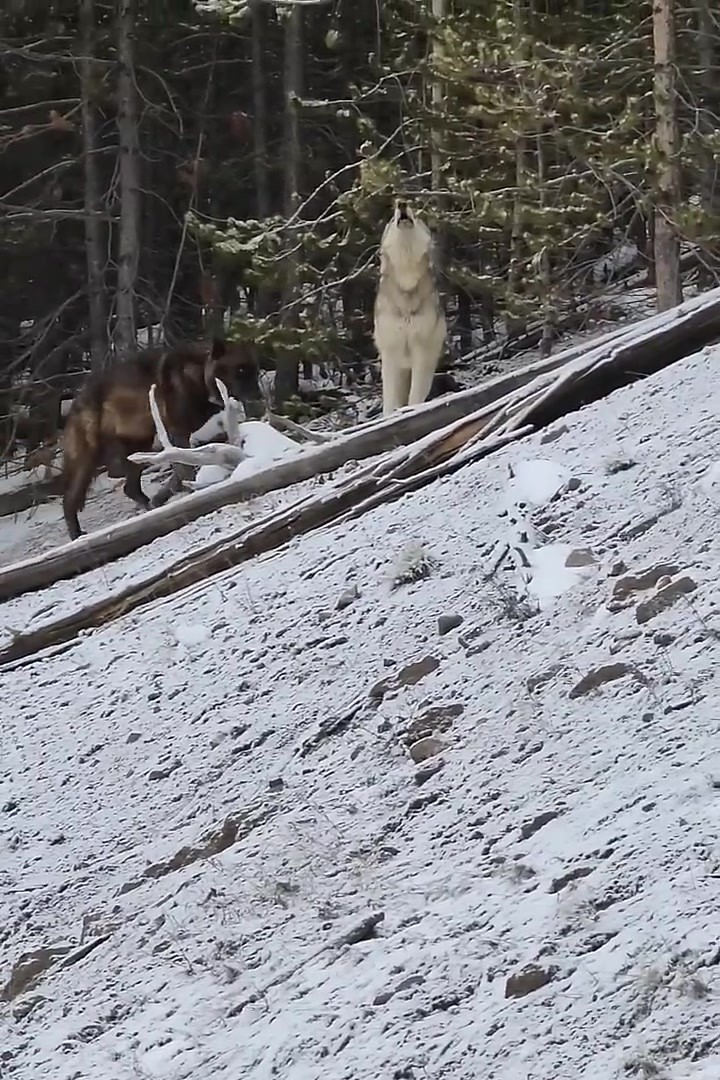 Pale gray wolf howls at dawn in Yellowstone
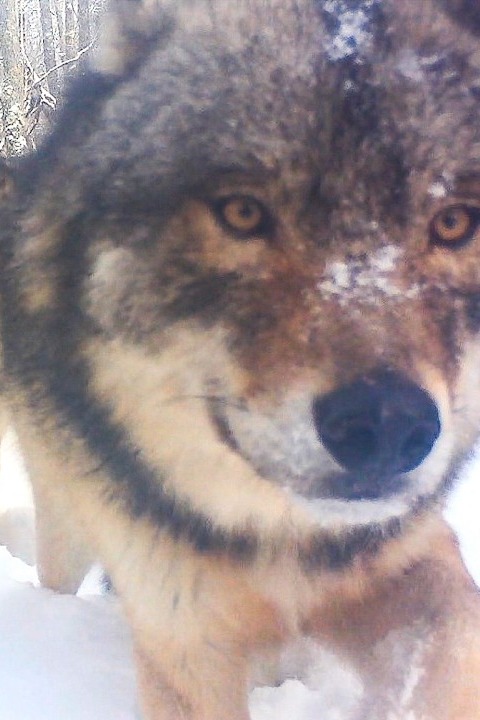 Snow-dusted gray wolf stares into a trail camera
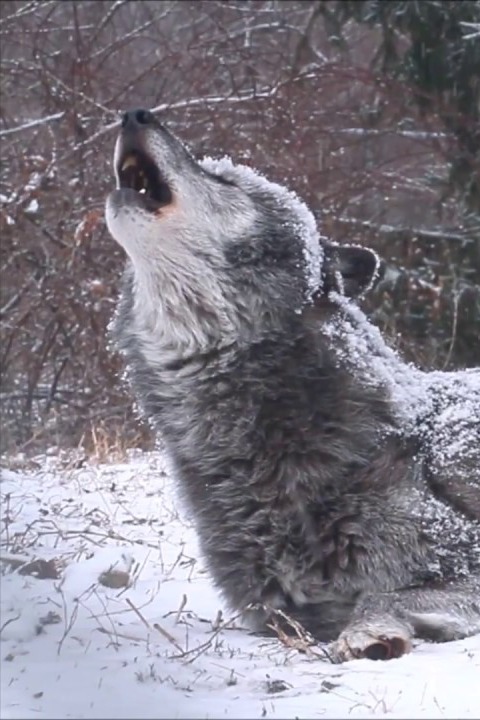 Snow-dusted gray wolf tips his head back to howl
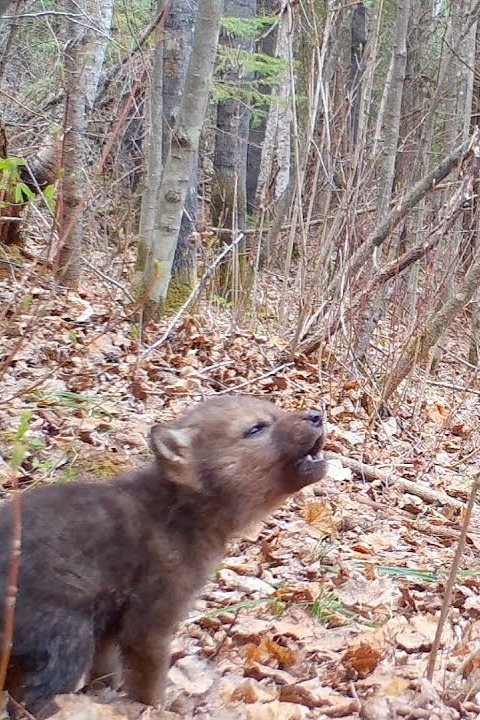 Gray wolf pup tries out its first howls
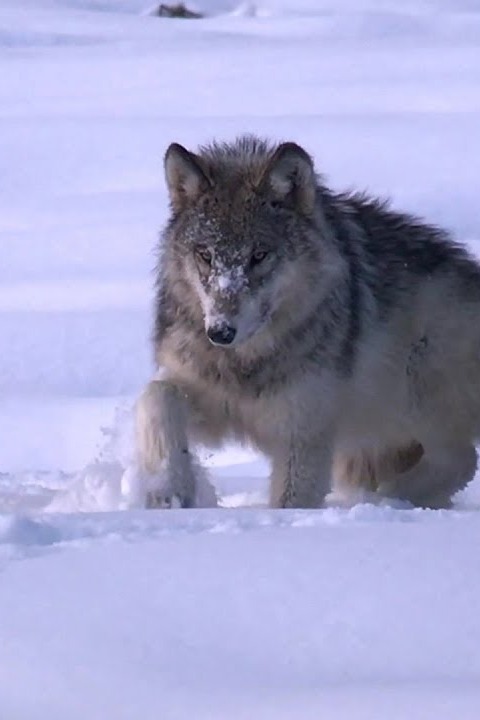 Gray wolf wading through deep Yellowstone snow
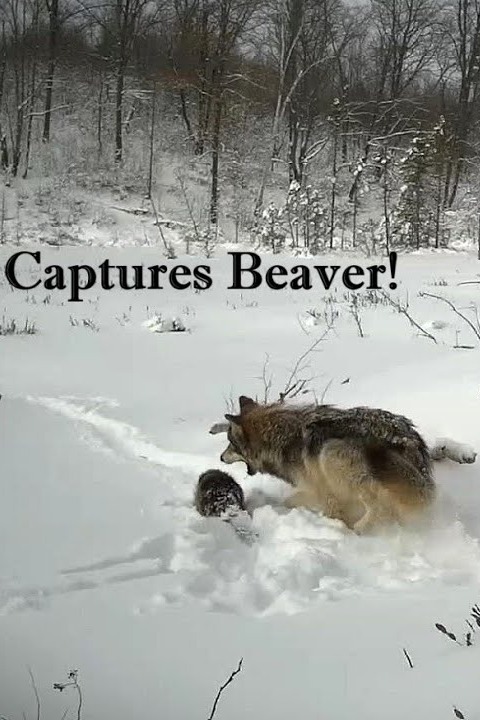 Gray wolf catches a beaver in deep snow
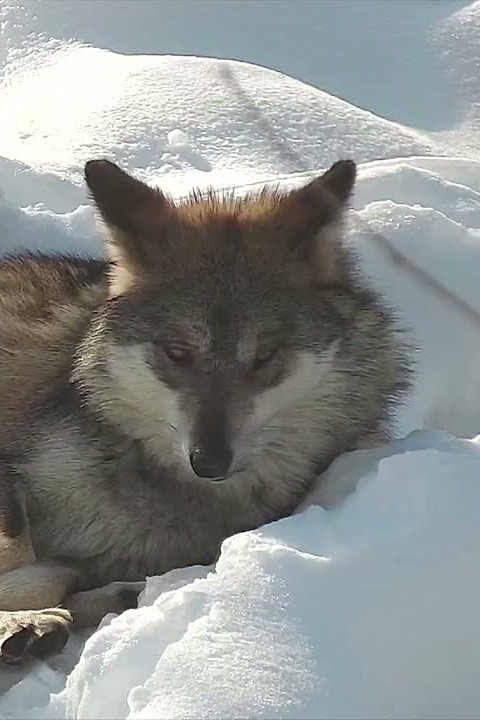 Mexican gray wolf curled up in a snow nest
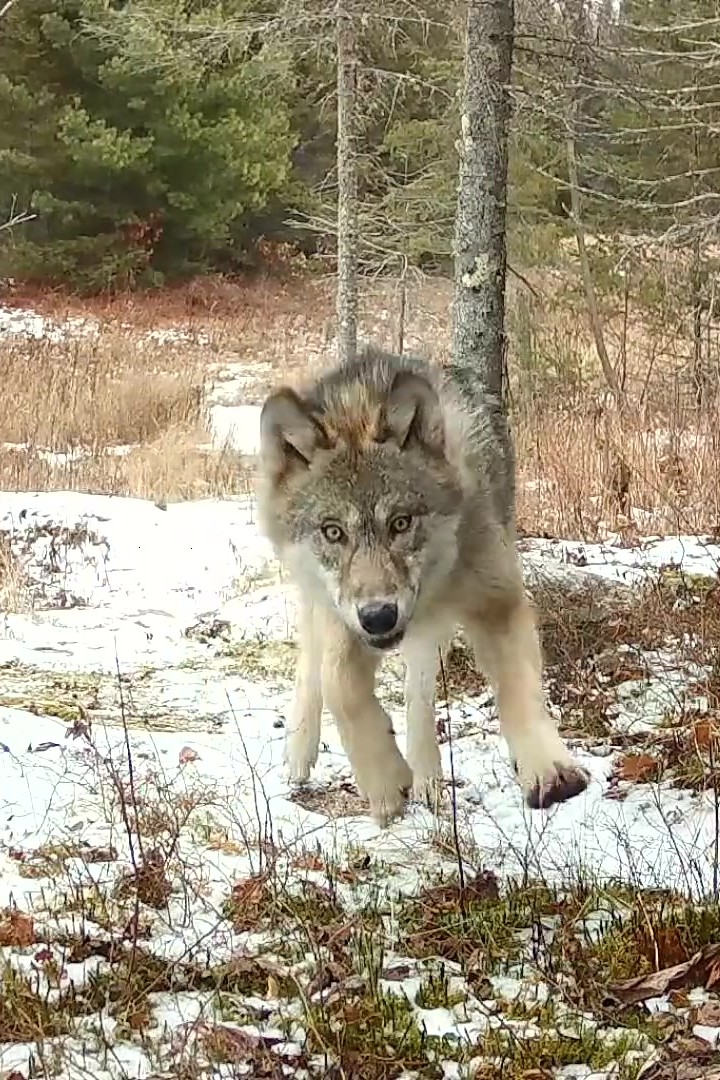 Gray wolves play-bow and leap at trail cameras
Ambassador wolf Silas lies in the grass at the Wolf Conservation Center with his jaws clamped on a scraped orange pumpkin, a fall treat, and broken pieces in front of him.
In snowy Greater Yellowstone, wolves walk right up to a 360 camera, look it over, then set about gnawing it.
Zephyr, a captive-born black wolf in South Salem, New York, lies in falling snow and howls up through the low branches while at least one other wolf joins in.
A lone gray wolf stands on the snowy edge of a Yellowstone road at night and stares straight back into the light.
The Cranberry Bay Pack, seven strong in early December 2021, stops nose-down in the snow in front of a trail camera in Voyageurs.
On a clear autumn day at the Wolf Conservation Center in South Salem, New York, ambassador wolves Silas and Nikai howl together, Nikai lying down and Silas standing over the white wolf.
On New Year's Day the mostly Canadian Blackstone Pack crosses open snow deep inside the Listening Point Pack's territory on the Kabetogama Peninsula, one of seven documented excursions into the study area that fall and winter.
At freeze-up in a remote part of Voyageurs National Park, the entire Cranberry Bay Pack, tagged breeding pair and this year's pups, passes one trail camera together.
On a snowy trail in northern Minnesota, the Blackstone Pack, the largest pack in the Greater Voyageurs Ecosystem in the winter of 2025-26, files past a trail camera and stops to nibble it.
In the Windsong Pack's territory in northern Minnesota, a black wolf with a white chest blaze, almost certainly a lone wolf, stops in daylight among the fall colors.
In Yellowstone's Hayden Valley, a nearly white female gray wolf and her pale gray mate howl into silence, find no rival pack and raise one of their own.
At the Colorado Wolf and Wildlife Center, a dark gray wolf reaches up to its keeper's gloved hand in fresh snow while a paler wolf pads past.
A Bowman Bay Pack gray wolf, its face red from a fresh deer kill, noses the snow at a remote camera in northern Minnesota while the pack's breeding pair rests behind.
A pale gray wolf of the Wapiti Pack throws its head back and howls on a snowy Yellowstone hillside at dawn, a dark packmate behind it.
Wolves of the Blackstone Pack take turns at a winter trail camera, sniffing and licking the lens until the frame is mostly fur and snow.
Zephyr, a captive-born ambassador wolf in South Salem, New York, howls from the snow while a second wolf answers out of sight.
A four-week-old gray wolf pup in the Minnesota Northwoods stands in the leaf litter and belts out some of its first howls, loud enough to overwhelm the microphone.
In winter 2018 a snow-frosted gray wolf wades a deep Yellowstone drift, and spotters with scopes pick out a pack of six blacks, a white and at least one gray on a ridge two miles off.
On an open snowbound flat below winter woods, a gray wolf lunges through deep powder by daylight and catches a small beaver in front of a trail camera.
Jean, a Mexican gray wolf at the Wolf Conservation Center, lies curled in a snow hollow on a winter day until a crow's call lifts her head.
Wolves in snowy northern Minnesota play-bow, hop and leap at the Voyageurs Wolf Project's trail cameras, and some step in close to sniff the lens.
Sources
- Canis lupus (gray wolf), Animal Diversity Web, University of Michigan
- YS 24-1 Yellowstone Wolf Facts, National Park Service, Yellowstone National Park
- Wolf Ecology, National Park Service, Yellowstone National Park
- Gray Wolf (Canis lupus), U.S. Fish & Wildlife Service
- Canis lupus, Gray Wolf, NatureServe Explorer
- Gray Wolf Biology Questions and Answers (Nov 2006), U.S. Fish & Wildlife Service (hosted by Montana Fish, Wildlife & Parks)
- How do wolves communicate?, International Wolf Center
- Living with Wolves, International Wolf Center
- Wolf Families, International Wolf Center
- Was that a wolf?, International Wolf Center
- Wild Kids, Spring 2019: Paws and Effect, International Wolf Center
- Denali: Just Chilling (Wolf Log), International Wolf Center
- Winter Wolves, Voyageurs Wolf Project, University of Minnesota
- About the Project, Voyageurs Wolf Project, University of Minnesota
- Gray wolves, Minnesota Department of Natural Resources