The Story
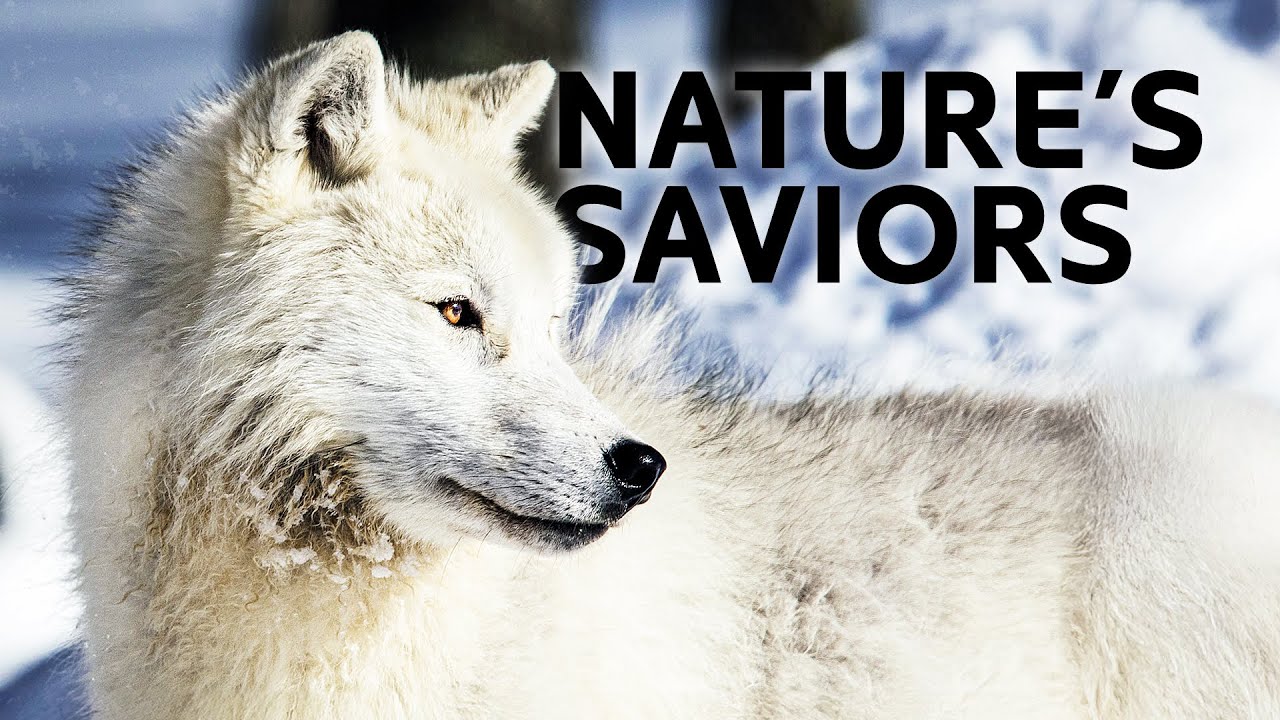
Two wolves call across Hayden Valley, in the heart of Yellowstone National Park, then wait for an answer. One is a pale gray male; the other is a gray wolf so light she reads as white, and no pack answers.
That silence is the point. Ten years after wolves were reintroduced to the park, no pack has settled this high valley, and the pair, each from a different pack, are claiming it. Howling is the wolves' long-distance call, carrying about 6.6 miles in forest and 9.6 in open country, and packs defend territory with it and with urine scent marks. No reply means vacant ground.
White Wolf scouts her new range and finds coyotes denning on it. She is the bigger animal, but the coyote parents turn on her together and she gives way. She has pups of her own: two, still sheltering at the den at two to three months, minded by a yearling daughter who cannot always keep up with them. It is the textbook pack, a breeding male and female, their pups and last year's young.
The dark yearling tries her luck on a beaver and comes away with nothing, outmatched by a mature animal. Beaver are on the gray wolf's menu, but in the Rockies the staples are hoofed mammals, and in Yellowstone elk make up more than 96 percent of winter prey.
Winter is the real test. By January the Hayden pack is White Wolf, the gray male, a yearling and two female pups, and biologists have radio-collared her as wolf 540. Deep snow drives the elk out, so the pack feeds on a bison it has killed. Big feet that work like snowshoes help, as does a dense undercoat grown each fall.
When the elk return in spring, the gray male runs down a laboring cow, then must rest, too winded to eat. Coats as pale as hers are the exception in Yellowstone, where gray and black run about 50:50 and white turns up only rarely.