The Story
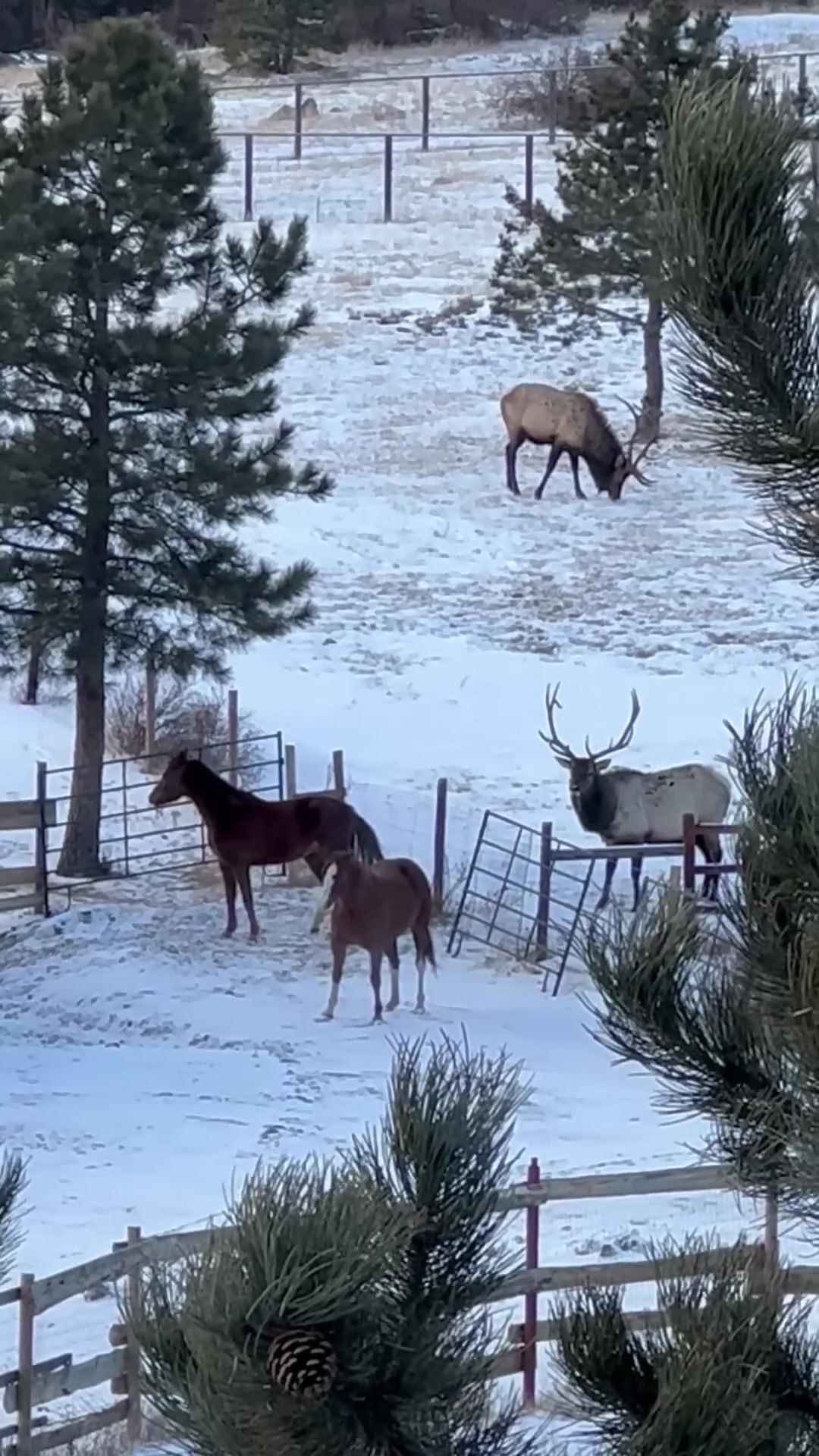
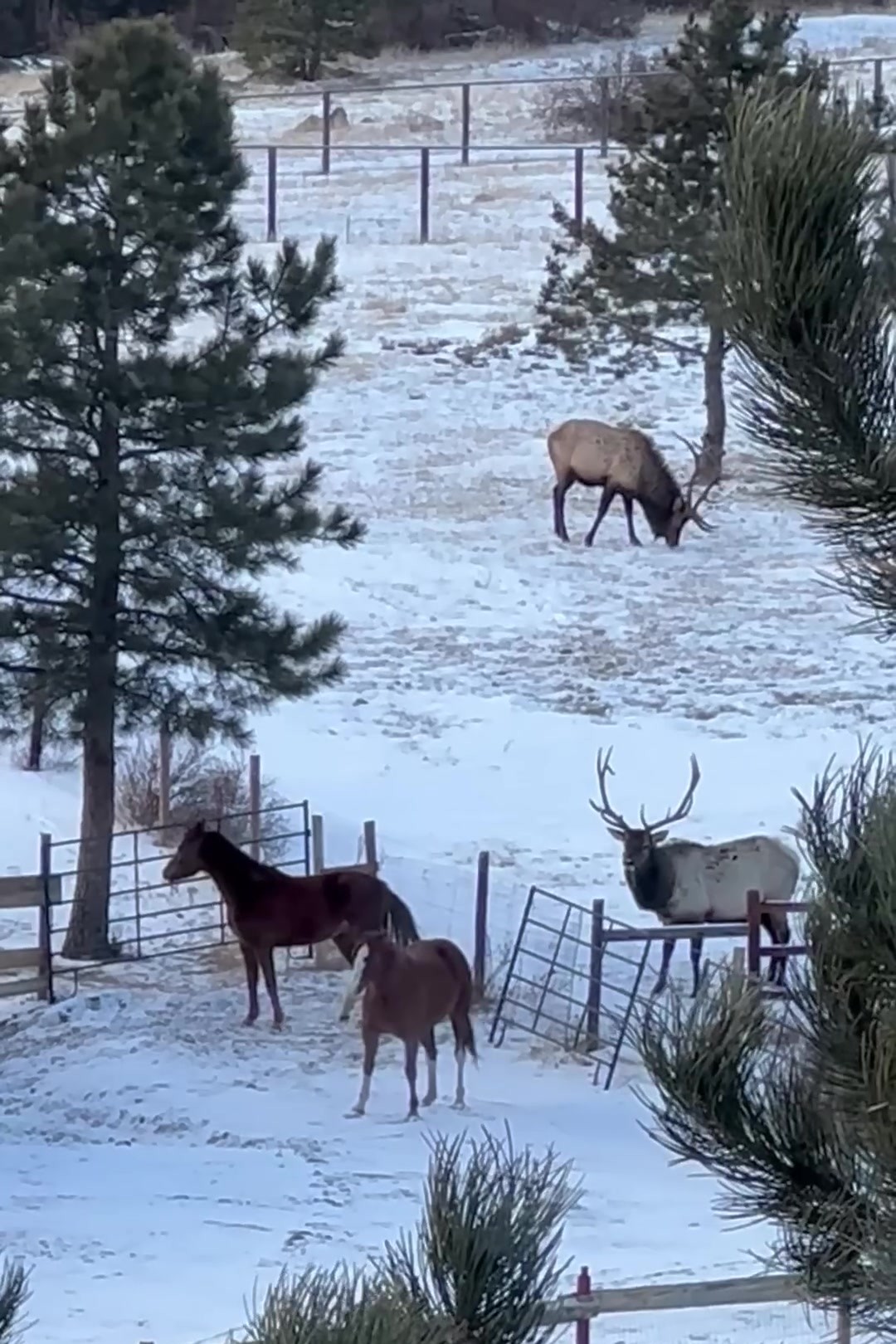
A bull elk stands at a paddock gate in the snow at Estes Park, Colorado, antlers up, while two horses on the near side face him. Then one horse leans in, and for a moment the two animals seem to kiss.
The filmer caught the meeting from a back porch on December 2, 2022, and by their own account was surprised by the kiss. Farther back, a second elk keeps out of the introductions. Nobody spooks. The bull never puts his rack to use, the horses hold their ground, and the fence stays between everyone.
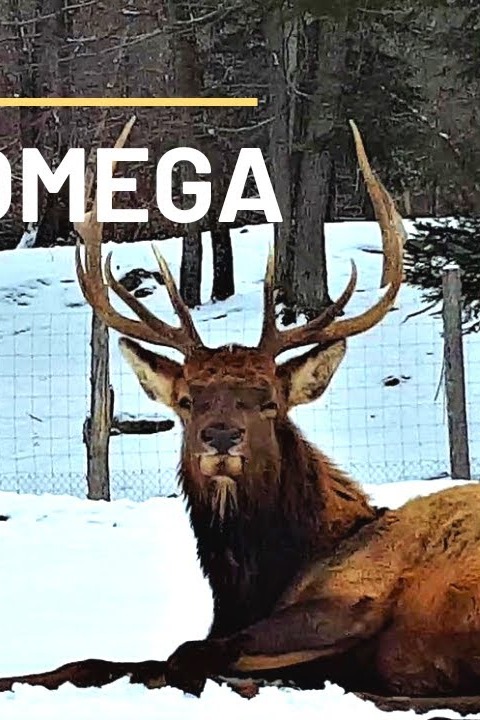
Those antlers mark him as a bull, since they grow on bulls and only very occasionally on cows. A mature bull's set can weigh up to 40 pounds. The velvet dried and was rubbed off in late summer, and by September they were solid bone. The largest bulls will not start dropping antlers until late February.
 Save
Estes Park is famous for its elk herds, and winter is when many herds come down. They spend summer high and move to lower elevations for the cold months, though some populations stay put all year. His winter coat is built of hollow hairs that trap air, light brown on the body, darker on the head, neck and legs, with a shaggy dark mane hanging from neck to chest.
The light is low, which suits him. Elk feed in the early morning and late evening, then rest and chew cud through the day. In winter the menu shifts to shrubs, aspen bark and conifers.
Large bulls can weigh 700 to 1,000 pounds and stand about five feet at the shoulder. Park agencies flag two risky seasons with elk: the fall rut, when bulls charge people and vehicles, and calving, when cows with calves may run at people or kick. Early December falls between them, though Jasper warns elk can attack without warning in any season. At the gate the bull keeps his rack still, the horses stay close, and behind them the second bull grazes on in the snow.