The Story
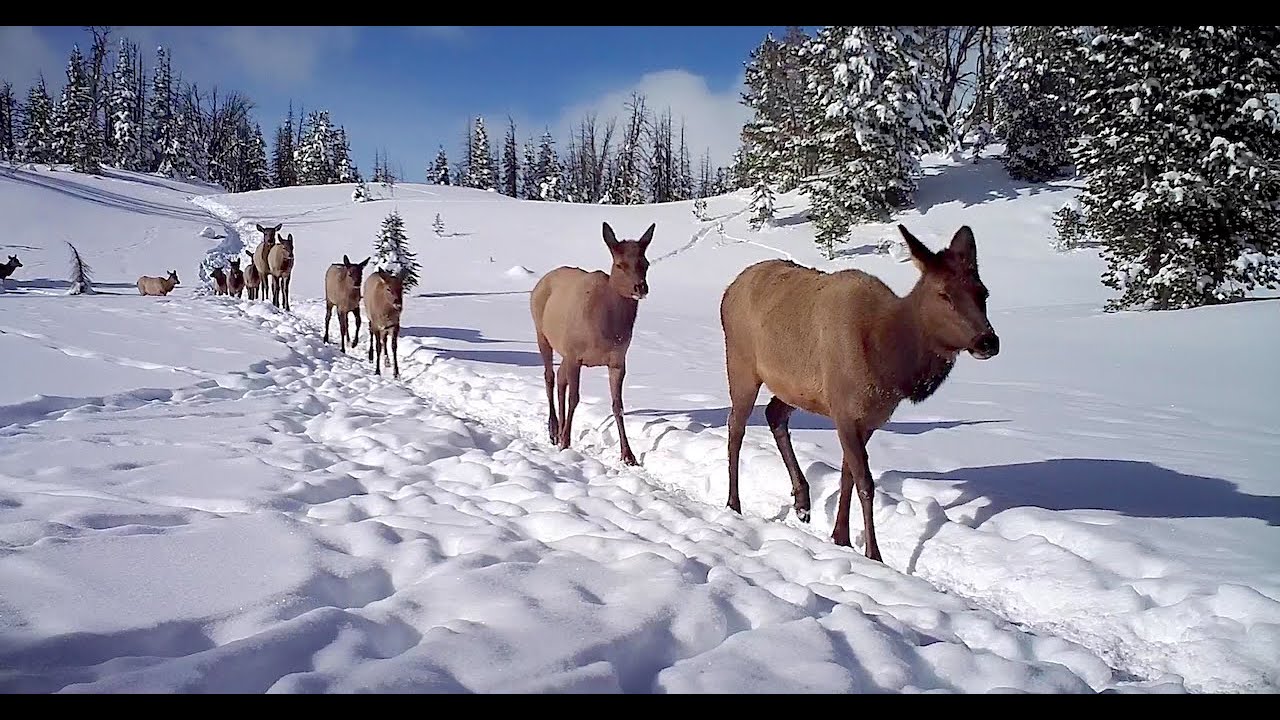
For three days after the storm, the trail hardly empties. Elk come down it nose to tail through a packed trench in the snow, past a motion-triggered camera on a migration corridor near Yellowstone.
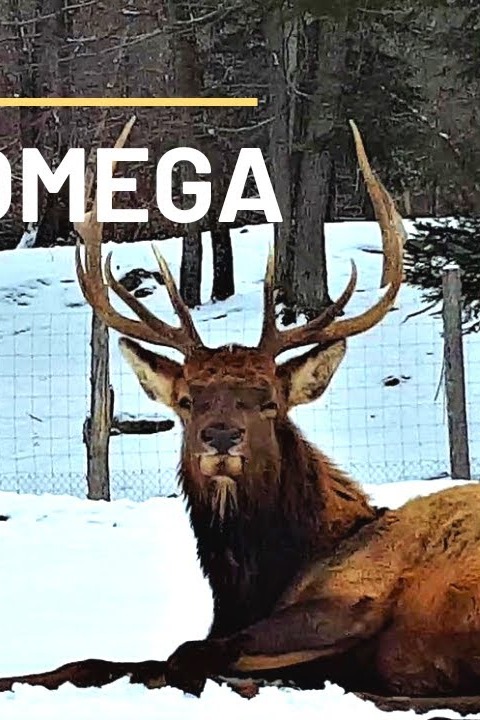
The animal nearest the lens walks with ears up, a darker mane hanging at the throat against a light brown body, with more strung out behind toward the trees. Both sexes grow that mane, shaggy in winter. Their winter coat is made of hollow hairs that trap air.
This is one corridor of dozens in western Wyoming. In fall 2018, biologist Travis Zaffarano, who had counted migrating elk with trail cameras for his graduate research, set cameras along it to film one full season. Movement began in October, peaked in November and tailed off into December. A big storm buried the high-country grass and set off the main wave; hundreds came through, bound roughly 70 miles from high ground in Yellowstone National Park to lower desert country for the winter.
Many elk herds go downhill for winter, though some populations stay put. Yellowstone holds 10,000 to 20,000 elk in summer and fewer than 2,000 in winter. Elk can plow through deep snow. In fall they shift to shrub and tree sprouts, turning to conifers only as a last resort once snow covers other plants.
The order of march has rules. On this corridor, big bulls go first and break trail. The rest follow a few experienced leaders, and usually a lead cow decides when it is time to go, with first-year calves learning the route from their mothers. Summer elk herds, up to 400 strong, are matriarchal and usually led by old cows. Young bulls with their first spikes shove each other along the way, sorting out rank.
Mule deer share the trail, one grizzly seems to pass every few days, and wolves show up late in the season. Wolves, bears and mountain lions all hunt elk. Stragglers that leave late struggle through December snow and burn fat they need for winter.